


AI’s reality check: The end of the token-maxing era — and what comes next…

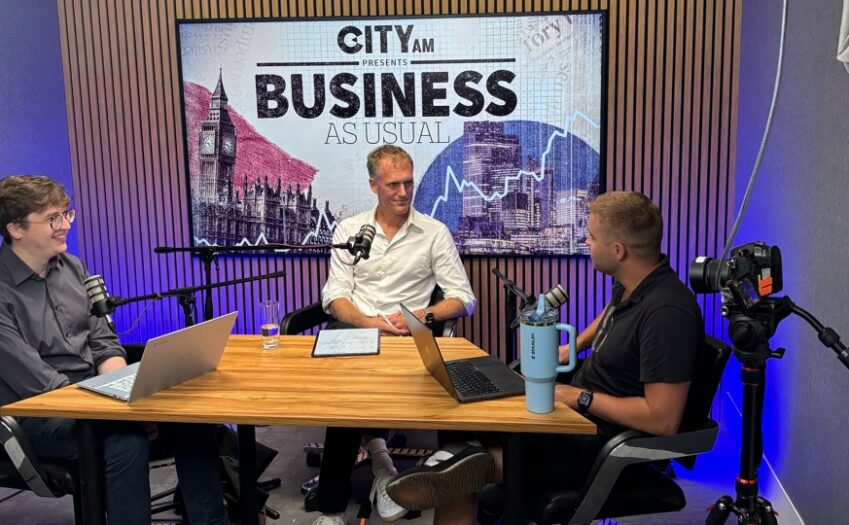
AI investors have been licking their wounds.
Chip stocks have slid, one closely watched semiconductor fund is down close to 10% in a month, and the narrative has flipped almost overnight from limitless promise to looming bubble.
When City AM’s ‘Business As Usual’ podcast asked me to make sense of it all, my honest answer was this: I don’t see the correction as a crisis. I see it as a long-overdue dose of realism.
Primed for perfection
My starting point is that the market was set up to be disappointed.
As I put it to City AM’s Martin Kimber and Simon Hunt, the market has been primed for perfection. When some of our industry’s most prominent voices suggest that every job will vanish, or that work itself will become optional, expectations get pushed to a level that no technology — however transformative — could satisfy in the near term.
Add fresh research suggesting enterprise adoption is lagging the hype, and a wave of scrutiny becomes inevitable.
The moment the meter switched on
For me, the pivotal shift wasn’t in the stock market at all. It was the quiet end of token subsidisation around late May and early June. For the first time, organisations could see exactly what their AI habit was costing them.
I often reach for a familiar analogy here: tokens are a bit like a pay-as-you-go phone. Burn through your credit and, before you know it, you’re asking for a top-up. Once that spending became visible, the questions changed. Which use cases are genuinely worth it? And which models should you actually be using to do the job? Sharpening those questions is healthy — it’s a correction of behaviour, not a failure of the technology.
There’s now a competitive twist adding to the pressure, too: Chinese models arriving on the scene and dramatically undercutting the American incumbents on price.
The end of “token-maxing”
I’ll be candid about the excesses of the recent past. We had what is called a “token-maxing” era, in which staff were actively encouraged — sometimes even bonused — to consume as much AI as possible. The predictable result was plenty of tokens burned and not much value to show for it. We’re definitely through that era now.
What replaces it isn’t less ambition — it’s more discipline. The focus needs to move to enablement, training and education: helping people look at their own role and identify the specific tasks AI can genuinely assist with. It’s a distinction I keep coming back to: AI doesn’t automate jobs; it automates tasks.
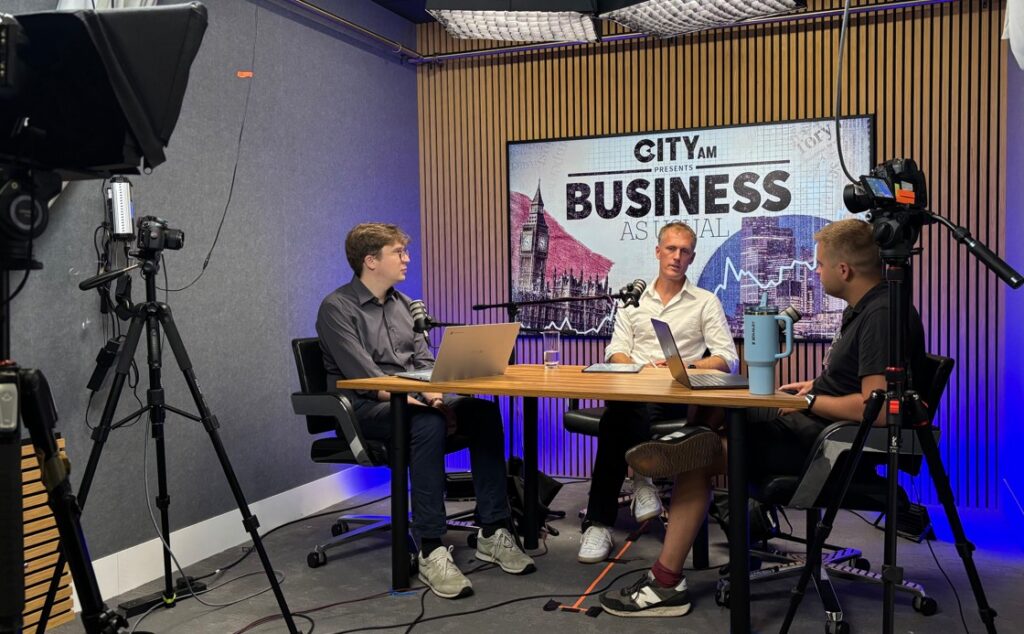
This is where the work we do at Sabio comes into focus. In my view, the biggest obstacle to adoption isn’t the technology — it’s application. Too many deployments can’t demonstrate a clear return. The answer is to hunt for the use cases where the productivity gain is genuinely measurable.
Customer experience is a prime example. In the contact centre, you can point to concrete outcomes: reducing the time it takes to handle an interaction, or removing that interaction from the queue altogether. That’s precisely the ground we occupy as an AI-first CX partner — combining the efficiency of AI with human insight and empathy, and holding every deployment to a measurable standard.
So where are we heading? I expect significant acceleration in adoption — just not quite at the pace the ‘Mag Seven’ would like. I’m honest about the short-term disruption to the jobs market, but I’d point to Gartner’s forecast that, by 2029, AI will be a job-creation tool rather than the job-destroyer once predicted. There will be turbulence as businesses adapt to new use cases — but ultimately this is a technology that drives productivity and drives job creation.
For those of us feeling whiplash from the headlines, that might be the most useful takeaway of all.
The hype cycle is correcting. The opportunity — for those who pursue it with discipline — is not.
*Stuart appeared on City AM’s ‘Business As Usual’ podcast with Martin Kimber and Simon Hunt. Watch to the full episode